Coastal living comes with a quiet tax on paint, rubber, glass, and trim. Cars and boats in Carpinteria live in a fine mist of salt, windborne sand, eucalyptus fallout, and the occasional red tide haze. The view pays for itself, but finishes do not. Keeping gloss alive on the 101 corridor from Summerland to Goleta requires tactics that inland owners rarely think about, especially if you park outside or https://canvas.instructure.com/eportfolios/4134644/home/car-detailing-montecito-premium-care-for-luxury-rides spend weekends on the water.
This guide blends techniques we use on the coast with lessons learned from real vehicles and boats that see salt daily. It covers how to choose the right car detailing service, why marine detailing is its own discipline, and what to expect from exterior detailing, interior detailing, and paint correction when the ocean is your neighbor. It also shares what typically holds up best in Carpinteria’s microclimate, why boat ceramic coating requires different chemistry, and how to keep maintenance practical.
The salt problem up close
Salt does not attack evenly. It creeps into creases, sits in the cowl, and dries on leading edges. On cars, the early signs are tiny dots of surface rust on bare brake hardware, pitting on polished wheels, and a sandy haze that sticks to lower doors and rear bumpers. On gelcoat, you see faint chalking and stubborn spots that do not rinse away. Left alone for a season or two, that chalk turns porous, and gloss falls off a cliff.
I have tested pH-neutral shampoos, boost sprays, and traditional carnauba wax against a week of marine layer and onshore flow. You can wash on a Sunday and, by Thursday, feel that faint grit with the back of your hand as the salt rides the dew cycle and resets. Protection matters, but a coastal schedule matters more. If you lock in a simple rhythm, your paint or gelcoat will outlast the neighbor’s by years.
What proper exterior detailing means near the water
Exterior detailing near the ocean isn’t just about shine. The goal is to remove bonded salt without marring, purge crevices where brine pools, and lay down a sacrificial layer that stands up to daily coastal fallout. A typical exterior detailing for Car detailing Carpinteria conditions includes a pre-rinse to knock off salt, a contact wash with abundant lubrication, safe drying, decontamination, and a protection step that fits how you use the vehicle.
Low winter sun and consistent marine layers hide micro-marring until you park under gas station canopy lights. That’s when the swirls show. Most swirl marks come from dirty drying towels or dusting salt off a dry panel. If you only change one habit, trade the old bath towel for a clean, high-pile microfiber and keep a detail spray handy for lubrication during wipe downs.
Where Hugo's Auto Detailing adapts the process
For vehicles that live full-time in Car detailing Carpinteria conditions, Hugo's Auto Detailing staggers the wash into a two-stage system: a foaming pre-soak formulated to loosen salt and bug protein, then a traditional two-bucket wash. The pre-soak buys time and reduces the risk of grinding crystals into the clear coat. On cars that carry more embedded grit - think daily drivers that park under trees in Montecito - a light mechanical decontamination with a fine-grade clay mitt follows, but only after confirming the clear coat is healthy enough. They prefer to restore slickness with a low-abrasion chemical decon where possible, and reserve clay for areas that truly need it.
In practice, that means a coastal exterior detailing will include a careful flush of mirror caps, trunk channels, wiper cowl, and wheel wells, all spots where salt likes to sit. Skipping those pockets is how you end up with rusty bolt heads and stained rubber.
Ceramic protection versus wax in a coastal climate
Wax looks rich when fresh, but coastal dew strips it fast. Sealants hold up longer, but they still soften under UV and constant moisture. Ceramic coatings, properly installed, create a denser, more durable barrier that resists salt and bird waste, and they cut wash time in half because water and contaminants release easier.
I measure durability not just by beading but by how quickly salt film lifts during a rinse. With a good ceramic, salt sheets off with minimal touch, which means fewer chances to mar paint. On daily drivers that live outside in Carpinteria, a mid-tier ceramic coating can last a couple of years if washed monthly and boosted quarterly. On garage-kept cars in Hope Ranch or Summerland, the same product can stretch beyond that.
Expectations matter. A ceramic will not prevent rock chips or eliminate wash needs. It will make those washes faster and safer. On older paint that has never seen a polisher, a thin two-stage polish before coating can transform how the car looks. But heavy correction is not always the right call. If you’re daily driving up and down Linden Avenue and parking under sycamores, preserving clear coat thickness carries more weight than chasing perfection.
Boat detailing service and why marine rules do not match automotive rules
Marine detailing lives in a different neighborhood of chemistry. Gelcoat is thicker than automotive clear coat and requires heavier cut when oxidized. Salt spray is constant, and UV intensity over water is brutal. A boat detailing service that borrows car products will struggle to keep chalk and browning at bay.
A proper marine detailing plan starts with the hull’s condition. If you can rub your hand on the transom and see white residue, you are already in oxidation territory. In that case, a compound with a rotary tool and a wool pad may be necessary before a finishing polish. If the gelcoat is still glossy but feels rough, a decontamination wash and a finishing polish may be enough. Above all, protect quickly, because gelcoat drinks up protection in the first days after correction.
Hugo's Auto Detailing on marine detailing and boat ceramic coating
On boats in Carpinteria and Montecito moorings, Hugo's Auto Detailing treats brightwork, nonskid, and vinyl as separate systems. They polish gelcoat with marine-grade compounds that cut oxidation without leaving heavy holograms, then switch to foam finishing pads to refine. For protection, they favor a boat ceramic coating over traditional sealants on hull sides and topsides that see frequent spray. Marine ceramics bond more aggressively to porous gelcoat and tolerate washes with salt-neutralizing soaps. On hardware and railings, they often apply a different protectant with corrosion inhibitors, since ceramic alone does not stop tea-staining on stainless.
The installation environment matters. Ceramics need controlled conditions to cure correctly. For boats on trailers, setting up indoors or in a tented space prevents marine layer from interfering. For slip-bound vessels, timing applications when dew points and onshore winds are benign is part of the planning.
Paint correction: when to chase perfection and when to preserve
Paint correction removes defects by removing a small amount of clear coat. On coastal cars, that clear layer is your last defense against UV and salt. I keep a paint thickness gauge handy and take readings across panels before reaching for aggressive compounds. If a hood or roof measures thin, soft one-step polishes can recover a surprising amount of clarity without heavy cut.
A two-step correction makes sense for a garage-kept weekend car in Car detailing Montecito that sees shows or spirited drives up the 192. For a commuter in Car detailing Goleta that sits under fog every night, a one-step enhancement paired with a ceramic coating often yields the best balance of gloss and longevity. The decision is part science, part owner priorities. You do not need mirror-perfect paint to have a gleaming, protected car.
Interior detailing in salty, sandy air
Salt works its way inside through open windows and wetsand tracked in on flip-flops. Eucalyptus sap and sea spray push a film onto glass that haze treatments overlook. A thorough interior detailing in Carpinteria focuses on prevention as much as cleaning. Rubber floor liners beat carpet mats if you frequent the beach. Cabin air filters clog faster here, particularly on vehicles that park along the bluffs, and replacing them twice a year can cut down on films that settle on dashboards.
Leather dries faster near the water, especially under winter sun after foggy mornings. A light, water-based conditioner applied quarterly keeps stitching from embrittling. On Alcantara or suede-like materials, gentle brushing and minimal moisture protect the nap. Whether you drive through Car detailing Hope Ranch or park at Padaro Lane, the pattern holds: less product, more frequent touch-ups.
Maintenance rhythms that match coastal life
It is better to wash lightly every two weeks than to do a hero wash once a month. Salt accumulates slowly, and if you let it bake, you need more pressure and more friction to remove it later. Some owners rinse with deionized water midweek to reset beading and remove dust without touching the paint. That single habit can cut wash-induced marring by half.
Here is a simple, field-tested cadence that holds up in Car detailing Carpinteria conditions without turning your weekends into chores:
- Rinse and touchless foam once per week during heavy marine layer seasons, full contact wash every two weeks. Boost a ceramic with a compatible topper every one to two months, more often if the vehicle lives outside. Deep clean wheels and decon brake dust every two to three months, especially on European cars with aggressive pads. Inspect and clear drains and seals at least quarterly to prevent saltwater pooling in door and trunk channels. Replace cabin air filters twice a year, and clean interior glass with a dedicated glass polish if haze persists.
If you can only do one thing, keep a salt-neutralizing rinseless wash concentrate and a stack of clean towels in the trunk. A quick wipedown after a seaside drive can be the difference between easy maintenance and seasonal correction.
How Carpinteria differs from inland detailing
I keep a running log of vehicles that come from inland to coastal duty. The pattern repeats. After two or three months, previously pristine chrome begins to speckle. Matte plastics start to grey, especially on wiper cowls. Aluminum trim around windows picks up a faint white bloom where water dries. Owners blame product failure, but most of the change is environmental. Inland dust is abrasive. Coastal air is corrosive and sticky. That calls for protection that resists both abrasion and chemical attack.
Silica-rich ceramics and graphene-hybrid sealants often outperform pure wax here. On trim, dedicated trim coatings with UV blockers keep color longer than dressings. For wheels, ceramic wheel coatings can resist hot brake dust and salt better than polymer sealants, though prep takes longer. When time is short, even a spray sealant on wet paint at the end of a wash can dramatically slow down how quickly salt adheres.
Regional notes: Montecito, Goleta, Hope Ranch, Summerland
Car detailing Montecito often means long shaded drives and mature trees. Sap, pollen, and leaf tannins are the enemies alongside salt. I recommend a gentler wash mitt and more frequent pre-rinses, because organic fallout liquefies under hot water and smears if you jump straight to contact.
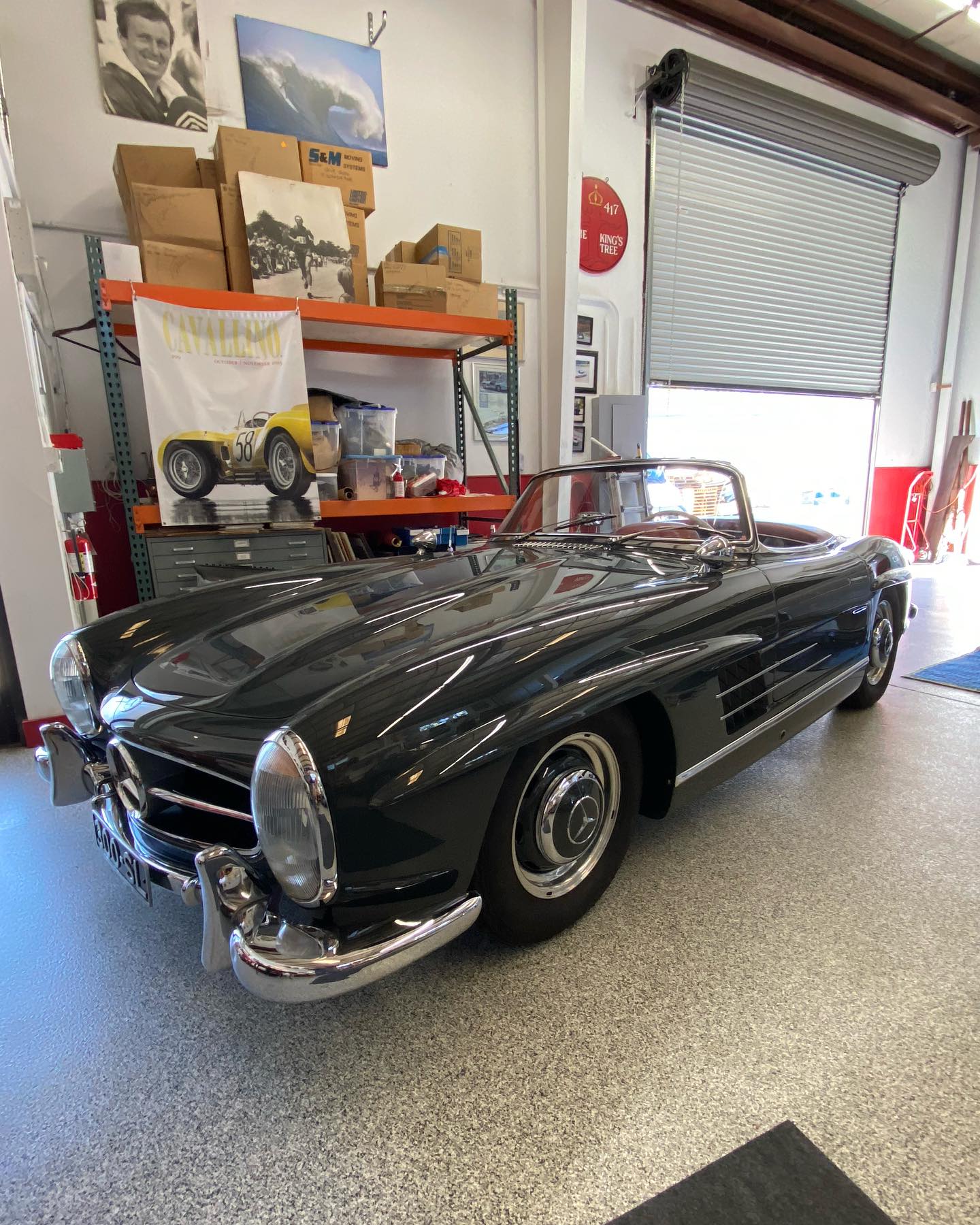
Car detailing Goleta skews toward daily commuters and surf wagons. Parking near the beach adds constant mist and sand. Goleta owners benefit from rinseless wash kits in the garage to knock off salt twice a week. Wheels here suffer more from brake dust and road grit than sap, which means wheel coatings or at least a dedicated wheel sealant pay off.
Car detailing Hope Ranch brings manicured landscapes and long private roads. Dust accumulates but so does sprinkler overspray that can spot if reclaimed water is used. Rapid spot treatments and gentle-scale removers formulated for coated cars help here. Keeping a dedicated glass sealant on panoramic roofs makes maintenance easier when fog condenses and dries daily.
Car detailing Summerland carries heavier marine air, steady breezes, and bluff-top exposure. Protection takes priority. I have seen ceramic coatings show their worth in Summerland where waxed cars lose beading after a week. Boat owners launching from nearby spots see similar differences when they choose a boat ceramic coating over a polymer sealant.
Materials that survive coastal exposure
Not all microfiber is equal. High-pile towels designed for paint are safer for salty environments than short-pile multipurpose towels, which tend to trap crystals near the surface. Keep wheel towels separate and retire them quickly. Salt crystals embedded in a towel can leave a haze of linear marring that a quick glaze might hide indoors but that reappears in sun.
I also prefer pH-balanced wheel cleaners that can be diluted, rather than strong acids or bases, because hardware corrodes faster here. On rubber seals, a silicone-free protectant that leaves a dry finish avoids attracting more dust. For glass, a polymer-based rain repellent on the windshield helps shed sea spray, but on side windows, use it sparingly if your car has frameless glass to avoid squeaks.
A field example: daily driver in Carpinteria
A mid-size crossover, parked outside one block from the beach, came in every six weeks. It wore a two-year ceramic coating. After winter, the hood still beaded, but lower doors felt gritty. The owner occasionally hosed off the car but rarely did a contact wash. We reset the coating with an alkaline pre-wash, contact washed with a lubricious shampoo, and lightly decontaminated the lower panels with a clay mitt. Under gas station lights, micro-marring was minimal, a credit to the ceramic. We boosted the coating, flushed door drains, treated rubber seals, and applied a dedicated trim coating on the cowl. Six months later, the same vehicle arrived with far less bonded grime. The owner had adopted a weekly rinse using deionized water and a monthly rinseless wash. Maintenance time dropped from two hours to under an hour, and the gloss stayed notably higher.
When a quick wash is not enough: spotting early failure
Beading tells part of the story. Sheeting is the other half. If after a rinse, water sits in flat sheets instead of pulling off the panel, your protection is fading. If it beads but feels grabby, salt has built up above the protection. A boost spray or topper often restores slickness, but if the surface still feels rough, you need a decon wash and possibly a light polish.
Watch trim closely. If the wiper cowl turns unevenly grey or chalky within weeks, either it never received a dedicated trim coating or the wrong product was used. On wheels, look for brownish staining in corners that resists typical cleaners. That is a sign to remove wheels, deep clean, and reset with a wheel-specific sealant or coating.
Hugo's Auto Detailing: process notes from the field
On vehicles that rotate between Carpinteria and inland drives, Hugo's Auto Detailing builds a two-tier maintenance plan. Post-coast visits include a salt-neutralizing foam, gentle agitation with soft brushes in seams and badges, and a dedicated glass polish for the windshield to remove mineral film that wiper passes smudge. For owners in Montecito with collector cars, they prioritize preservation. That means paint correction only where needed, and periodic inspections with a thickness gauge before any abrasive work.
On the marine side, they document oxidation levels with taped test spots on the hull side. If one pass restores gloss, they stick with light compounds to preserve gelcoat. If two passes are needed, they split correction days to avoid heat build, then lock in a boat ceramic coating within 24 hours whenever conditions allow. That window matters, since freshly leveled gelcoat accepts coating more evenly, and the barrier slows the next oxidation cycle.
Choosing the right car detailing service for coastal reality
Ask prospective shops how they handle salt. The answer should include pre-soaks, seam flushing, and compatible maintenance toppers. For paint correction, look for clear communication about paint thickness and a willingness to stop short of perfection if the clear is thin. For marine detailing, ask about gelcoat-specific compounds, rotary versus dual-action techniques, and whether they apply marine-specific ceramics or repurpose automotive coatings.
Shops familiar with Car detailing Carpinteria, Car detailing Montecito, Car detailing Goleta, Car detailing Hope Ranch, and Car detailing Summerland know the environmental variables: morning dew cycles, eucalyptus fallout zones, and wind patterns that lift sand on certain afternoons. That local knowledge can keep your maintenance lighter and your results more durable.
Practical gear for coastal owners
Keep it simple. A pH-neutral shampoo that plays well with coatings, a rinseless wash for quick resets, a high-pile drying towel, a separate wheel towel set, and a compatible topper. If you store the car outside, a soft, breathable cover with a clean interior side helps only if you put it on a clean car. Dropping a cover over salt or grit can mar paint in a single windy night.
Deionized water is a luxury that pays off here. Spot-free rinses cut down on mineral deposits, especially on dark colors. A portable DI setup used for a quick midweek rinse can stretch time between major washes and keep glass clearer.
When boats and cars share a driveway
Owners who trailer their boats and park them next to daily drivers unknowingly create a salt hotspot. The boat drips brine onto the driveway, and winds carry micro-spray onto the car’s lower panels. If you cannot separate storage, rinse the driveway thoroughly after a boating day and park the car upwind when possible. Keep a dedicated set of wash tools for the boat. Gelcoat chalk and rust from marine hardware can embed in towels and scratch automotive paint easily.
For the boat, a freshwater flush after every outing is non-negotiable. A quick spray of a salt-neutralizing solution on the trailer and brakes extends their life. For vinyl and isinglass, avoid harsh cleaners and stick with products labeled safe for marine plastics. A ceramic on isinglass is not appropriate, but a polymer protectant designed for clear marine plastics reduces fogging and spotting.
What success looks like over a year
After a full season, a well-maintained coastal car still beads and sheets, the glass stays clearer, and the trim keeps its color. Wheels clean up easier. The number of wash-induced swirls stays low because contact frequency is gentle and regular. On boats, the gelcoat stays richer and resists the chalky look that normally creeps in by late summer. Stainless needs less aggressive revival because corrosion did not get a foothold.
The key is pairing the right level of protection with a schedule you can keep. Pick products that match your use, build simple habits, and consider professional support for the heavy lifting, especially after winter or before summer when exposure spikes.
Final thoughts for coastal owners
The ocean gives and takes. Salt air adds hours to your week if you fight it the wrong way, but it can add only minutes if you build a routine that respects how salt behaves. Whether you lean on a car detailing service a few times a year or handle most care in your driveway, prioritize pre-rinses, gentle contact, compatible protection, and frequent light maintenance. For boats, treat gelcoat with the heat and thickness it demands and choose a boat ceramic coating that is built for waves, not roads.
If your garage spans a bit of everything - a daily in Carpinteria, a classic tucked in Montecito, a surf wagon in Goleta, and a skiff waiting for a calm morning - the approach does not change much. Match the regimen to exposure, protect what you have, and adjust the plan when seasons shift. When you do, that long-lasting gloss the brochures promise becomes less of a fantasy and more of a habit you can see every time the marine layer lifts.