Montecito’s climate looks gentle from a distance, but it can be tough on finishes. Salt in the air drifts in from the Santa Barbara Channel. Morning marine layer leaves mineral stains if it dries on unprotected paint or gelcoat. Afternoon sun bakes plastics and leather. Add canyon dust and the odd eucalyptus tar spot, and you have a recipe for dulling clear coat and aging interiors long before the mechanical components start to wear. The shops and driveways here include everything from vintage 911s and spry Defenders to late-model EVs and center-console boats, and each of those surfaces reacts differently to exposure. A proper car detailing service in Montecito is as much environmental management as it is shine.
This is where consistent exterior detailing, interior detailing, and, for boats, https://hugosdetails.com/marine-detailing/ marine detailing make a visible and measurable difference. Paint correction and modern ceramic protection are not vanity projects. Done right, they cut washing time, reduce abrasion during cleanings, and extend the service life of the finish. Done poorly, they trap defects under a glossy coat and make future repairs harder. The nuance lies in assessment, prep, and product choice.
What “luxury-level” really means in a coastal town
A luxury result does not automatically mean hyper-gloss or an Instagram-ready beading video. In Montecito, luxury often means restraint and durability. The Escalade that lives under trees needs a different plan than the rosso corsa weekend car that spends most of its time in a climate-controlled garage. The Riva tied up in the harbor has a gelcoat that reacts nothing like clear coat on an SUV. A thoughtful service assesses the use case first, then chooses surfaces, tools, and chemicals accordingly.
Here is a practical way to think about it. Start with the surface material and its condition. Figure out the contamination profile, which in this area usually involves salt, iron particles from brakes, organic fallout, and occasional road tar. Determine how the vehicle or vessel gets washed between appointments. If it is tunnel washes with stiff brushes, protection needs to be thicker and sacrificial. If it is gentle two-bucket washes at home, you can prioritize slickness and optical clarity. The best results come when protection and maintenance match real habits.
Common Montecito challenges and how to counter them
Salt spray is the stealthy problem. You do not always see it, but you feel a fine drag when your wash mitt passes over the fender. Those microcrystals score clear coat during washing if they are not dissolved first. A simple tactic is to presoak with a foaming surfactant that softens and encapsulates salt before contact. Rinseless washes work indoors, but outdoors, a contactless pre-rinse pays off with fewer marring marks.
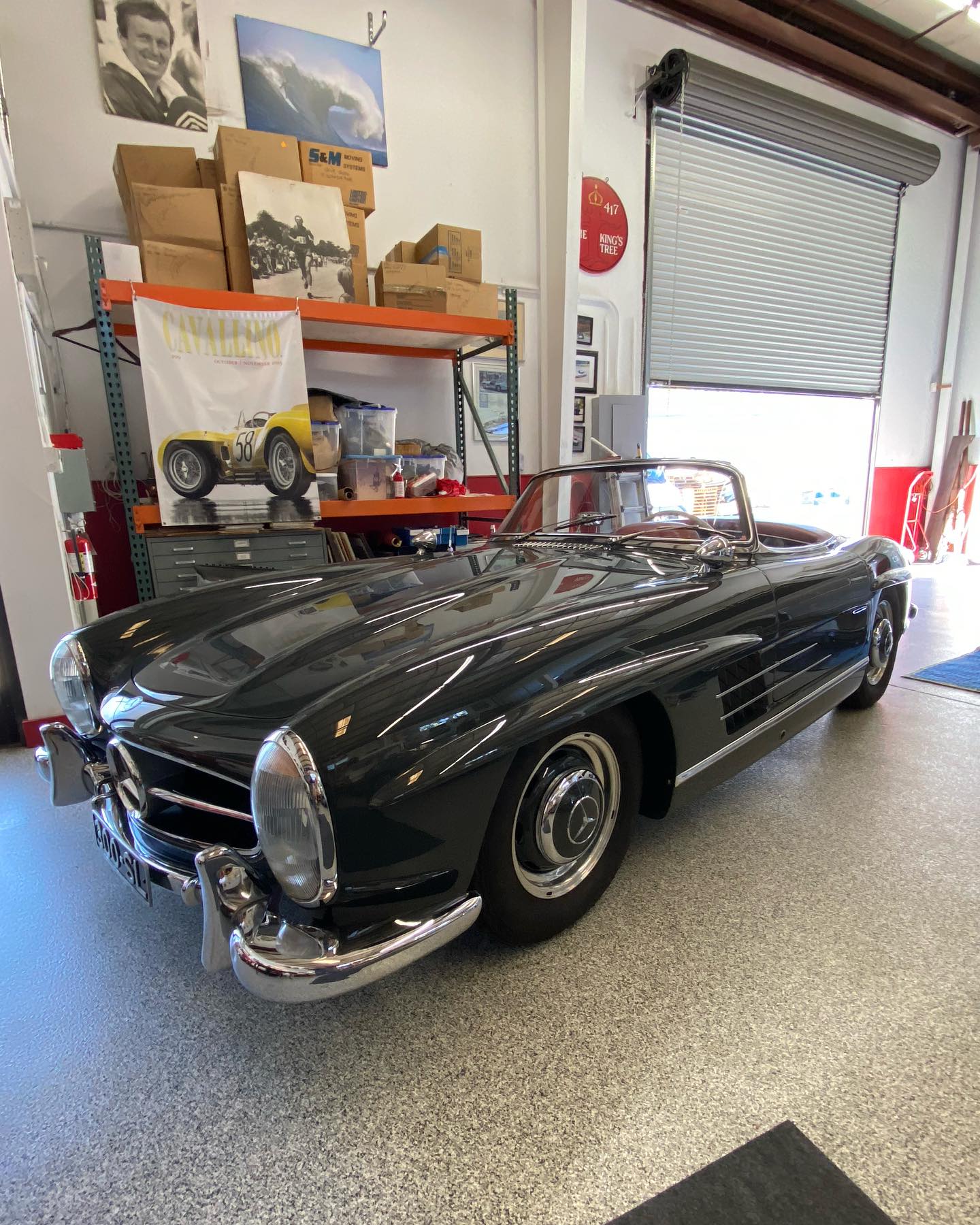
Hard water spotting is another chronic issue. Even filtered tap water leaves minerals that bond to warm paint. Most of the stubborn spots we see on hoods and glass formed when droplets dried under sun. A deionized water rinse helps, but the method matters more. Work panel by panel, keep the surface cool, and dry with an absorbed first pass using a twisted-loop towel, then a secondary pass with a plush finisher. If the spots are etched, you need a targeted acid-based water spot remover before polishing. Push too hard with a pad and you etch a halo around the spot rather than removing it.
Tree fallout is seasonal but memorable. Eucalyptus sap and pepper tree residue behave like glue. Citrus-based solvents loosen them without swelling the surrounding clear coat. Tar removers are tempting, but the stronger formulas can haze fresh paint protection film. When in doubt, spot test and consider steam. Steam softens residue and keeps chemical exposure localized.
Exterior detailing that respects the finish
A thoughtful exterior detailing flow for Montecito starts with a dry visual inspection, then a touchless rinse, then chemical decon. Iron removers are useful on European cars with heavy brake dust. Clay is a last resort, not a default. If the vehicle will receive paint correction, light contamination that would normally call for clay can be addressed in the polishing stage with a fine finishing polish and a mild pad. This reduces the total amount of friction the clear coat sees in its lifetime.
Pad choice and machine speed matter more than many realize. On the softer clear coat seen on some Japanese models, a microfiber cutting pad can chew up the surface and create haze that needs extra passes to clear. On harder German clear, that same pad is efficient. Modern single-stage corrections often blend a diminishing-abrasive polish with a medium foam pad. The goal is to flatten the topography of the clear, not chase every tiny scratch. Deep defects that require aggressive cutting may be left if they would compromise the clear’s UV layer. It takes judgment to stop polishing before perfection turns into thin.
For cars kept near the coast, protection layers should be hydrophobic, UV-resistant, and easy to top up. Wax alone will not last through an entire summer of daily fog and afternoon sun. A mid-tier ceramic coating, properly cured, can extend protection to 18 to 36 months, sometimes longer with gentle maintenance. If the car lives outdoors and is washed twice a month, top up with a silica spray every second wash. That siO2 spray is not a real coating, but it refreshes slickness and water behavior, reducing dust adhesion between washes.
Marine detailing and boat ceramic coating
Marine detailing has its own physics. Gelcoat is thick, porous, and prone to oxidation. It chalks into a rough surface that collects grime and resists gloss. Once oxidation blooms, you need progressive compounding to return clarity. In Montecito and Santa Barbara harbors, we see most boats develop oxidation on the sunward sides first, especially around the bow and gunnels. A rotary polisher with a wool pad speeds removal, but it also builds heat. Keep rotations modest and check surface temperature frequently. Heat on edges and around decals risks distortion.
Boat ceramic coating is a strong line of defense after you restore gloss. Marine formulations are more tolerant of salt, UV, and constant wetting and drying. The trick is perfect prep. Any residual oils from compound will interfere with bonding. A strong panel wipe, then a tack cloth pass in calm conditions, makes the difference between a coating that sheers water cleanly and one that sheets unevenly. On large hulls, apply in manageable sections and plot shade movement. Trying to beat sun on a white hull is a recipe for high-spots. If high-spots happen, they can be leveled within a few hours using a finishing pad and light polish, then re-wiped.
In slips with frequent bird activity, a slick ceramic layer will not stop droppings, but it does make removal safer. The acids in droppings etch quickly in heat. A quick response with a neutral, lubricated spray and a soft microfiber prevents staining. Boat owners who commit to gentle weekly wipe-downs find their annual marine detailing is faster and less aggressive, which leaves more gelcoat thickness for the long term.
When paint correction is worth it, and when it is not
Paint correction can be a revelation on dull cars, especially black and deep blue finishes. It brings out depth and amplifies reflections so that even a modest model looks expensive. But correction is not a one-way ticket. Each pass removes clear coat, measured in microns. If a panel has already been polished aggressively, or if you plan to keep the vehicle for decades, chasing perfect clarity might be the wrong move.
We often assess cars in Montecito that live under car covers. Covers create micro-marring from fabric movement in wind. If that cycle continues, a full correction gives you a perfect baseline, but without changing the cover or tying it down better, the marring will return. In that scenario, a gentle one-step with a protective glaze can be smarter. The car presents beautifully for events, and you preserve clear coat for future work. On the other hand, if the car is a long-term keeper that will be garage-stored and maintained with careful hand washes, a two-step correction topped with a durable ceramic pays for itself in reduced washing friction and long-lasting clarity.
Hugo's Auto Detailing on matching process to the environment
Hugo's Auto Detailing has learned to plan around Montecito’s rhythms. Morning marine layer wants patience. We schedule exterior detailing so the panel temperatures are cooperative and coatings do not flash too quickly. On windy afternoons when canyon gusts kick up, washing outside becomes a sandblasting risk, so we pivot to interior detailing or set up wind blocks. That kind of adjustment avoids the small scratches that otherwise add up.
One example that stuck with our team involved a black luxury sedan that spent weekdays at a coastal office in Summerland. The owner washed it at a tunnel on Fridays, and the brushes added uniform circular marring. Instead of immediately reaching for heavy compound, we proposed changing the maintenance first. We did a light correction, installed paint protection film on the high-impact zones like the hood and mirrors, then taught a quick wash method with rinseless solution and plush towels. Six months later, the gloss held because the process matched the life the car actually lived. Montecito and Summerland share the same salt and sun, but the owner’s habits tipped the scales.
Interior detailing that survives coastal life
Salt air dries out leather, and sun cooks plasticizers out of vinyl and rubber. The fix is not layers of greasy conditioners. The materials need a gentle pH-neutral clean, then a breathable protectant that adds UV resistance without shine. On light-colored leather, dye transfer from denim is common. You can manage this by sealing the leather with a dedicated protective layer that resists pigments, then coaching owners to wipe bolsters weekly with a damp microfiber. It takes two minutes and saves deep cleaning later.
For carpets and mats, beach sand is the enemy. It wedges deep into fibers and grinds with foot traffic. A simple trick is to use compressed air or a pet-hair style rubber brush to lift grit before vacuuming. If you vacuum first, you mostly move surface debris. Another trick is to rotate the mats seasonally. The mat in the driver’s footwell takes most of the abuse. Swap positions front to back where possible and extend lifespan. On higher-end cars in Hope Ranch, we sometimes install custom liners for rainy months, then switch back to factory mats when the dry season returns. It is not as glamorous as ceramic coatings, but it shows up in resale value.
Odor management deserves precision. Coastal vehicles rarely have mildew unless a window was left cracked in heavy fog, but boats can develop it if covers trap moisture. The best cure is airflow and moisture control, not masking scents. Enzyme cleaners can neutralize organic odor sources under seats or in bilge areas. Ozone treatments are effective in stubborn cases, but they need professional handling and post-treatment airing to avoid material damage.
Hugo's Auto Detailing case notes: coastal boats and cars
Among boats berthed near Montecito, the best long-term outcomes happened when owners treated boat ceramic coating as part of a system. One 27-foot center-console we maintain received a two-stage gelcoat correction followed by a marine-grade ceramic. The owner stuck to a simple rinse and microfiber wipe-down after each outing, and once a month we topped the coating with a spray sealant. Two seasons later, the gloss meter readings dropped only slightly, and we avoided heavy compounding. That saved gelcoat thickness and labor, and the boat still looked fresh in morning light at the dock.
On the automotive side, a matte-finish SUV in Carpinteria taught a familiar lesson. Matte finishes do not tolerate traditional correction. You cannot polish out scratches without changing sheen. Instead, we used a matte-specific ceramic coating that adds chemical resistance and makes bug removal safer. The owner commutes on the 101 where bug hits are common. A five-minute pre-soak at home with a gentle cleaner allowed contact-free rinsing before the residue baked in the sun. Simple habits, chosen to match surface limits, make matte ownership possible without drama.
Regional nuance: Carpinteria, Goleta, Hope Ranch, Summerland
Car detailing Carpinteria often involves windblown sand and more frequent coastal fog. We downshift to more frequent light maintenance and emphasize protective layers that make sand rinse off without abrasion. Car detailing Goleta leans toward commuter vehicles with highway grime and iron fallout from brakes. Iron removers and a slightly more robust protection layer help those cars shed dust longer between washes.
Car detailing Hope Ranch usually happens in shaded driveways where trees drop sap and pollen. Here, gentle solvent work and periodic decontamination keep us from heavy machine work. Paint correction is still part of the repertoire, but we try to catch contamination before it bonds. For car detailing Summerland, salt exposure is consistent and sun is intense. We see more plastic trim fading and recommend trim-specific coatings that resist chalking. Across these neighborhoods, car detailing Montecito overlaps all of the above, with an added emphasis on presenting well at curbside dinners and events, meaning last-minute gloss toppers and tire dressings that dry dry, not shiny, so they do not fling on a spirited drive.
What to ask before booking a car detailing service
Not every service needs a full correction and ceramic. Sometimes a wash, decon, and polymer sealant is exactly right. A useful conversation starts with three questions: how the vehicle or boat is used, how it is stored, and how it is washed between services. If you spend weekends in the harbor and weekdays under sycamores, the plan must handle both salt and sap. If you hand wash gently, we can calibrate for optical clarity. If you rely on drive-throughs, we build a thicker sacrificial layer.
Expect your detailer to measure paint thickness on repainted panels. If a panel reads thin, the correction plan changes. Expect test spots. If a service promises perfection without testing, they might be guessing. On boats, expect a discussion about slip access and power. Coating a hull in a crowded marina requires coordination and wind management.
The maintenance equation
Long-term results come from small habits. Washing technique matters more than many products. Contact wash only after a pre-rinse and a foam dwell that loosens grime. Use two buckets with grit guards, or a modern rinseless method with abundant, clean microfiber. Dry with clean towels, not leaf blowers with dusty filters. Work in shade when possible. For boats, adopt a consistent freshwater rinse after each outing, even if the boat will be used again the next day. Salt accumulates.
Maintenance intervals vary by use. A garage-kept car that drives twice a week can go eight to twelve weeks between full details if it receives gentle washes. A daily driver parked near the beach benefits from monthly light details to reset protection and remove embedded salt. Boats that see regular runs should be wiped down every time they return to the slip, then scheduled for quarterly decontamination and annual polishing or coating maintenance. The less you let contaminants sit, the less aggressive each future service needs to be.
Where products and process meet
It is tempting to believe that a single premium product can solve everything. In reality, compatibility and sequence matter more. A heavy-duty alkaline degreaser strips wax and can dull trim if left too long. An iron remover left on hot paint can stain. A ceramic coating laid on top of hidden oils will not bond and will fail prematurely. The right process is measured and patient. Clean, decontaminate, correct if needed, strip any residual oils, then protect. Each step supports the next.
We carry multiple protection options because different substrates want different chemistry. Plastic trim topcoats need flexibility and UV absorbers. Leather topcoats need breathability. Boat ceramic coating formulas tolerate immersion and high alkalinity from marine cleaners. Mixing them up wastes time and can create maintenance headaches. It is not the price of the product that drives the result, it is whether the product suits the surface and the way the owner uses the vehicle or vessel.
Working examples from the field
A late-model EV in Montecito arrived with persistent water spotting on glass and piano-black trim. The owner washed in the afternoon sun with sprinkler overspray nearby. We targeted the glass with a mild acid spot remover, polished with a dedicated glass compound on a rayon pad, then installed a long-lasting hydrophobic glass coating. For the piano-black trim, we minimized polishing to avoid thinning the soft coating, then applied a trim-safe ceramic. We walked the owner through morning-wash timing and keeping sprinklers off during wash windows. Six months later, the glass remained clear, and the trim avoided the silvery haze that often plagues these cars.
A classic runabout with teak accents faced a different challenge. The owner loved the silvered teak look, but the surrounding gelcoat dulled from oxidation. We taped off the teak, compounded the gelcoat carefully, and applied a marine ceramic that left the teak untreated but protected. The visual contrast was striking. More importantly, washdowns stopped leaving white residue on the teak because the encapsulated gelcoat chalking had been corrected at the source.
Hugo's Auto Detailing and the rhythm of maintenance
Hugo's Auto Detailing structures detailing around owner habits rather than forcing a rigid program. A ranch owner near Hope Ranch wanted quarterly deep work and nothing in between. We built a calendar that alternated focus areas: quarter one emphasized paint decon and protection, quarter two centered on interior steam and leather conditioning, quarter three refreshed the exterior with a light polish, and quarter four prepared surfaces for winter moisture. Each visit was leaner than a full overhaul, yet the vehicles never looked neglected.
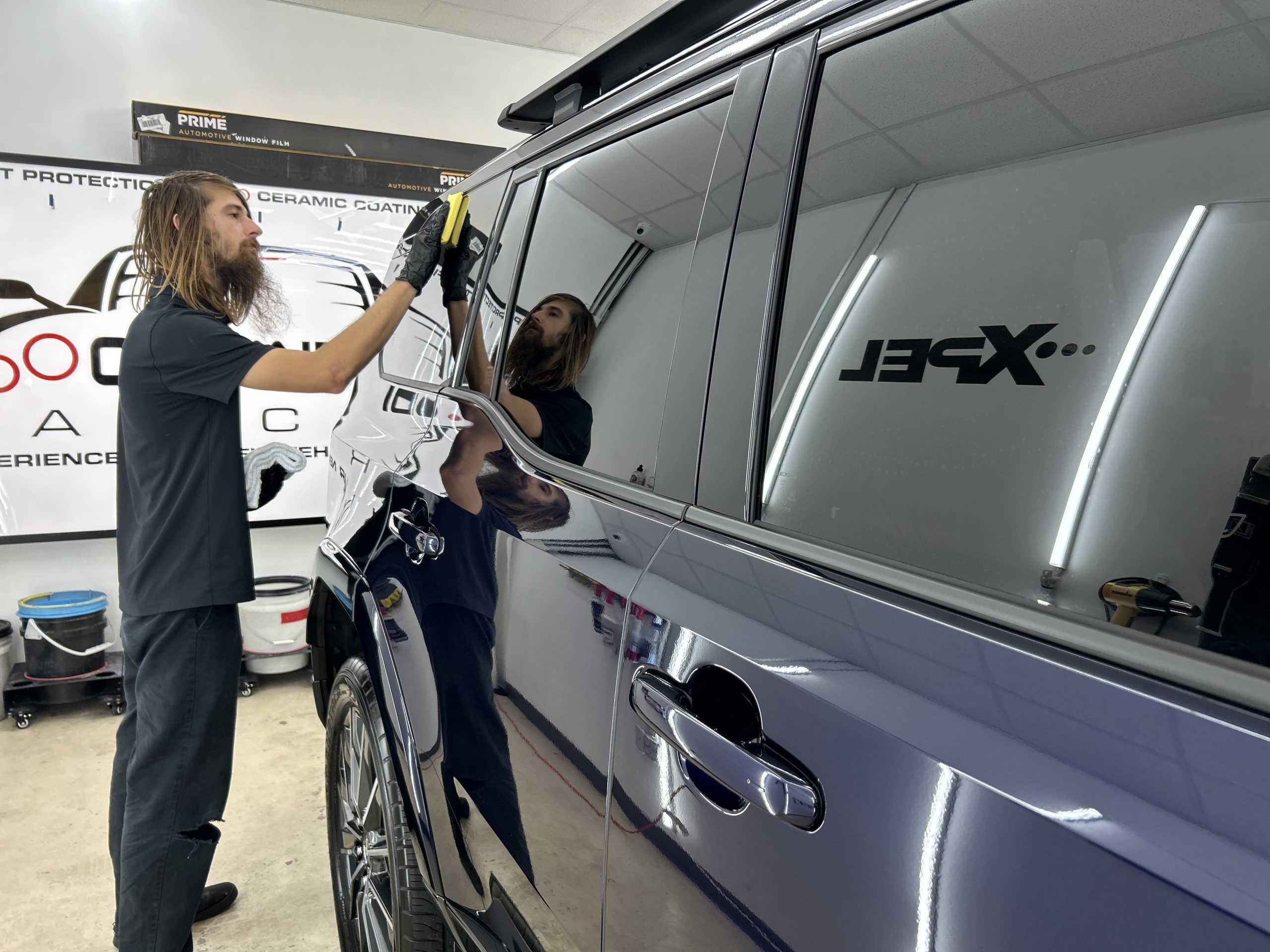
That approach reduces the peaks and valleys most people tolerate. Cars and boats stay at a plateau of presentable and protected. The surprise benefit is cost stability over time because there is no need for emergency rescues after long gaps, and surfaces see less aggressive correction. When owners sell, the maintenance history reads like service records, and buyers notice.
Two simple checklists that make a big difference
- Pre-wash routine for coastal cars: check surface temp, rinse thoroughly, foam and dwell 3 to 5 minutes, contact wash top to bottom with clean mitt, rinse, dry with two towels, apply a silica spray while drying on wet panels. Post-outing boat care: freshwater rinse from bow to stern, gentle pH-neutral soap on high-salt areas, microfiber wipe-down, spot dry stainless to prevent tea staining, inspect and remove bird droppings immediately.
Putting it together for Montecito’s mix of cars and boats
Luxury-level shine in Montecito is not a one-time spectacle. It is the sum of appropriate products, careful technique, and maintenance that respects salt, sun, and schedule. Car detailing Montecito, Car detailing Goleta, Car detailing Carpinteria, and Car detailing Summerland all share the same core disciplines, but they diverge at the margins according to local exposure. Marine detailing adds its own layer of timing and chemistry, where boat detailing service and the right boat ceramic coating cut down on oxidation cycles and make each rinse more effective.
The thread that runs through all of it is restraint. Correct only as much as you can maintain. Protect with coatings that match your wash method. Clean interiors with chemistry that preserves rather than masks. When the goal is a durable, refined finish, a measured plan beats a one-off transformation. And when you work with a team that adapts to your environment and habits, the results look effortless even after a long summer of salt air and afternoon sun.