The channel coast between Summerland and Carpinteria rewards anyone who loves salt air and open roads. It also punishes neglected paint. This case study follows a tired metallic gray coupe that spent two summers parked beachside near Padaro, collecting a chalky haze, water spots, and the kind of UV fade that eats into clear coat. The owner said, I swear I washed it, but it looked worse every month. Sun, salt, and wind had done their quiet work. What follows is how that car regained a mirror finish, and, just as important, how the owner learned to keep it.
The scene in Summerland: diagnosing oxidation the right way
Every good paint correction begins with a measured diagnosis. When the coupe rolled in, its surfaces told a story in layers. The horizontal panels showed the heaviest oxidation: hood, roof, and trunk lid felt draggy to the touch and reflected with a milky bloom under direct light. The vertical panels, though slightly better, had a rash of random isolated deep scratches from coastal grit and automated car wash brushes.
I start with lighting before anything touches the paint. Under high-intensity LEDs, oxidation shows as a diffuse glow that hides the clarity of metallic flake. Swirls appear as pinwheel arcs. Etched water spots sit like small comet tails. After mapping those defects, I measured paint depth with a gauge at multiple reference points. On a car of this age, typical clear coat thickness ranges between 35 and 60 microns. We saw a tight band between 42 and 48 microns on average, with two outliers down to 38 on the driver’s roof edge and trunk lip. That data matters. It tells you what you can correct safely, where to tread lightly, and where you must abandon perfection in favor of preservation.
Contamination came next. A clean nitrile glove gliding over the surface felt like sandpaper. That texture tells you ferrous particles and bonded environmental fallout have embedded into the clear coat. You can polish over contaminants, but you will clog pads and create heat, and you will not achieve a crisp finish. Surface purity is nonnegotiable.
Wash process tailored to a coastal car
Beyond getting the car clean, the wash steps establish your margin for success during polishing. On this coupe, I began with a citrus-based pre-wash at a dilution that breaks traffic film but does not strip all protection from plastic trims. Let it dwell long enough to soften the grime, then rinse thoroughly. For the contact wash, a pH-neutral shampoo paired with a high-lubricity foam blanket reduces friction. Two buckets, grit guards, and a plush mitt are standard, but I also cycle mitts panel by panel for beach cars because silica and salt dust load up fast.
Wheels and wheel wells often betray a car’s true life. The coupe wore baked-on brake dust and a dull film typical of ocean air. An iron-reactive cleaner bled purple as it dissolved ferrous deposits. I agitated barrels with a soft brush, rinsed, then repeated lightly. Leaving wheels for last risks splashing ferrous contamination onto clean paint, so they went first.
Once rinsed, I used a dedicated iron remover on paintwork. Watching the product activate across the hood confirmed our earlier tactile read, especially near the windshield edge where road dust accumulates. After a thorough rinse, a medium-grade clay mitt and a slick clay lubricant lifted the bonded layer without marring. You can feel the difference right away; the panel goes from chalkboard to glass.
Drying should be as touchless as possible. A filtered blower chased water from crevices, then a twisted-loop towel, patted rather than dragged, removed the rest. Sun protection matters here. Work in shade or inside, because a hot panel accelerates water spotting and chemical flash-off. Summerland sun feels gentle, but it can bake a droplet into an etch in minutes.
Compounding plan: pad, polish, machine, and restraint
With a clean surface and measured clear coat, the polishing plan becomes a balancing act. The goal is to remove oxidation and leveling defects without chewing deep into the clear. I treat each panel as its own project. The hood carried chalky oxidation and moderate swirl density, so I performed a test section measuring 2 feet by 2 feet.
Machine choice matters less than pad, product, and technique, but the tool must be consistent. I prefer a long-throw dual-action polisher for safety and speed on large panels, switching to a smaller unit for tight areas. On the test section, a foam cutting pad paired with a diminishing-abrasive compound restored clarity in two slow passes. The metallic flake popped again, and the haze collapsed. Micron readings before and after showed a reduction of about 2 microns in the heaviest area, which is comfortable. The edge near the hood crease needed a softer approach, so I swapped to a microfiber finishing pad with a medium polish, keeping pressure lighter than the flat sections.
Random isolated deep scratches always tempt overcorrection. One on the passenger door ran vertical, likely from a beach umbrella pole. The cut needed to blend the top edges without chasing the bottom of the scratch. I used a dedicated spot pad, three controlled passes, then stopped, opting to live with a faint remnant rather than thin that area. Paint correction is not a test of stubbornness. It is judgment.
Throughout compounding, I cleaned pads frequently. A compressed air gun blasts loaded polish from foam and restores cut, but I also rotated pads to keep heat and residue in check. Stubborn water spot etching on the roof responded to a second cycle with a slightly more aggressive liquid, then a refining polish. The roof’s thinner readings kept me attentive. Edges got taped off to protect them from overwork, and the machine spent less time near trim to avoid staining.
The mirror finish emerges
After compounding, the car looked good to the naked eye. Under focused light, you still saw faint micromarring, the fine haze left by a cutting pad and abrasive pair doing their job. Refinement turns good into a mirror. A fresh, soft foam pad and a fine finishing polish, low machine speed, minimal pressure, and long, even passes produce that liquid look.
This pass did more than remove haze. It sharpened reflections enough to read the boardwalk railings in the doors and delineated cloud edges on the hood. Metallic pigments stood out distinctly rather than blending into a dull fog. On a gray car, that difference is everything. The paint shifted from flat to dimensional.
Sealing or coating is not a luxury on the coast. It is your insurance against accelerated oxidation. Before protection, I wiped down panels with an alcohol-based product to remove polishing oils. If you skip this, you bet the farm on temporary gloss that washes away.
Why Summerland cars oxidize faster
Cars in Summerland breathe salt every day, even a mile inland. Salt attracts moisture, and together they form a conductive film that accelerates corrosion on exposed metals and degrades clear coats by holding contaminants against the surface. Add UV intensity that runs high for most of the year and you get a perfect equation for oxidation. Even cars that sit under covers suffer if the cover traps salt dust and moves in the wind.
Short drives down to the beach put hot panels into cool marine air, which condenses micro-droplets over and over. Those droplets leave mineral deposits as they dry. Over months, that repeats into light etching. All of this shapes how a detailer must approach both correction and aftercare.
Interior detailing matters, even during a paint job
While the focus here was paint correction, the interior of this coupe needed attention. Sand rides in on flip-flops and refuses to leave. I vacuumed carpets and crevices methodically, then used compressed air to lift grit from seat tracks and console seams. Leather seats had salt bloom, a faint white sheen that feels tacky. A gentle leather cleaner followed by a water-based conditioner restored suppleness without adding slickness. Glass carried salt film inside and out. A lint-free towel and a two-towel method left it crystal clear. The interior detailing stage often gets skipped during paint-focused visits, but in coastal towns it completes the experience. Clean glass alone improves perceived clarity of the whole car.
When a boat teaches you about cars
Working along this stretch, Marine detailing influences how I treat vehicles exposed to salt. Boats give up their secrets readily. Gelcoat chalks and oxidizes faster than automotive clear coat, but the diagnosis patterns are similar. On a 22-foot center console I serviced in the Summerland harbor area, heavy oxidation demanded wool pads and rotary power, followed by an aggressive marine polish. The lesson transfers to cars, not in tool choice but in respect for contamination and UV. If a boat sits unprotected, it chalks within weeks. Cars are more resilient, but they are not immune.
Boat ceramic coating work has also sharpened my approach to protection. Coatings that survive a season on hull sides and topsides under harsh sun and salt tend to perform admirably on cars. The prep diligence they demand gets mirrored in automotive detailing. The coupe benefited from that cross-training.
Protection strategy: sealants, coatings, and what makes sense here
After refining the paint, I had a candid conversation with the owner about how he uses the car. He drives it about 8,000 miles a year, parks outdoors in Summerland three days a week, and rinses it inconsistently. On that profile, a ceramic coating gives a real advantage. It adds measurable chemical resistance, slows oxidation, and keeps wash-induced marring at bay. A professional-grade coating lays down a hydrophobic layer that actively sheds water. On the coast, seeing beads roll off after a foggy morning is not just satisfying, it cuts down mineral residue.
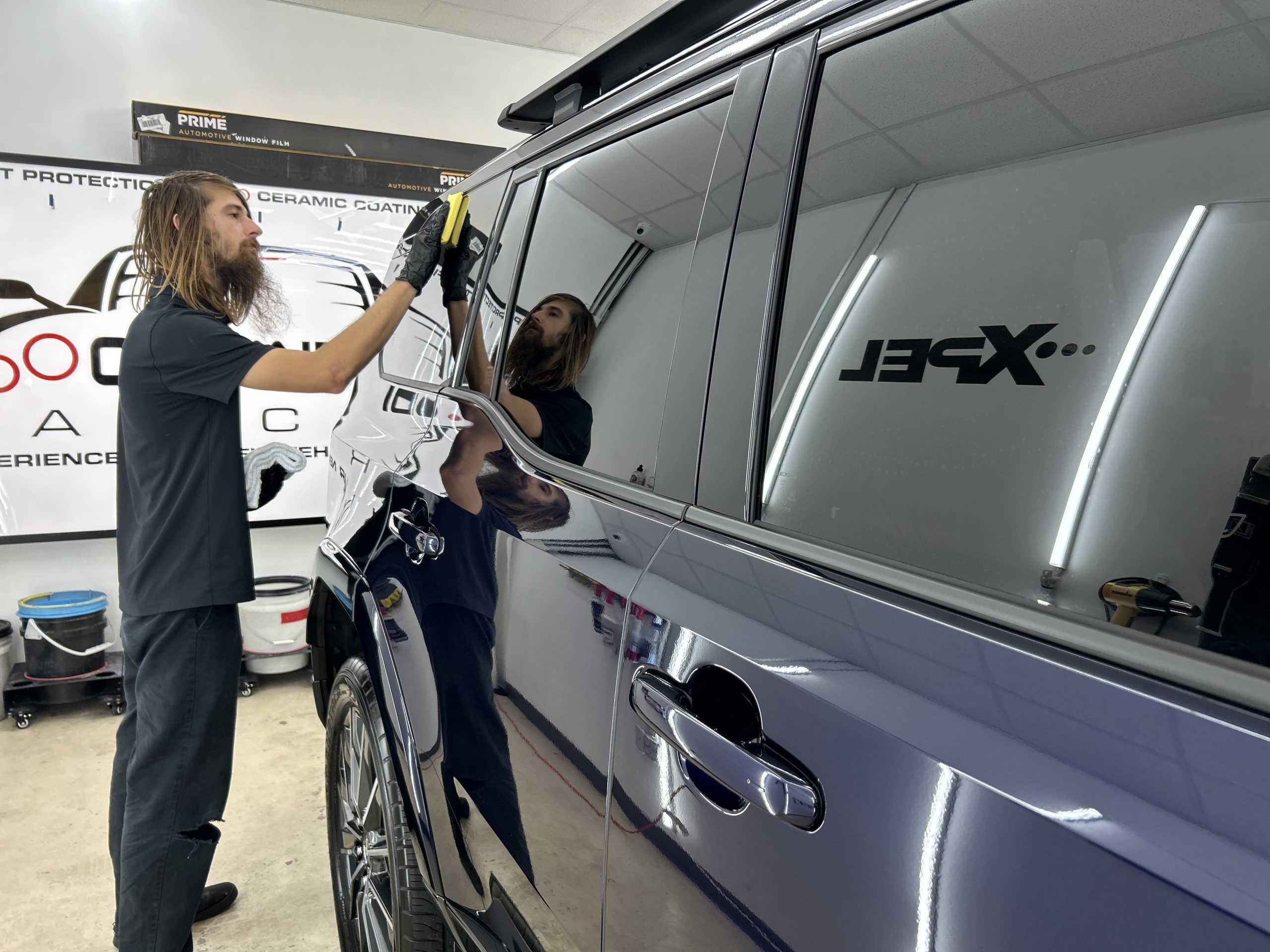
Application success hinges on panel prep and conditions. I controlled temperature and humidity inside, ran a final panel wipe, and applied the coating in small sections, leveling quickly to avoid high spots. A single layer cures into a thin, hard shell. Some systems advocate a second layer for added gloss and longevity. On this paint, one layer was enough, with a topper scheduled at the first maintenance wash in a few weeks.
Wax still has a place for some owners, especially those who enjoy monthly maintenance. It warms the look and is forgiving. But along this coast, wax alone needs frequent renewal. Sealants sit in the middle, offering months of durability and a bright look. The key is honest fit. If the car is a daily driver parked near ocean spray, a ceramic coating earns its keep through fewer full corrections over time.
A day in the life: Hugo's Auto Detailing handles Summerland paint
On jobs like this, schedule and sequencing keep results consistent. Hugo's Auto Detailing blocks paint corrections so we can control environment and lighting, not just process. Cars from Carpinteria and Montecito often arrive with similar coastal wear, though shade from canyon trees can introduce another variable: organic fallout and sap. Goleta and Hope Ranch vehicles vary more depending on garage access. Summerland mixes the worst of both worlds, steady salt and open sun.
This coupe spent a full day under lights. The morning washed and decontaminated. Midday compounding and defect removal. Late afternoon refinement and coating. The owner came by as the coating flashed and asked if the gloss would last. That is always the question. The answer is measured. Protection buys time and reduces how often you need heavy correction. It does not end care.
Hugo's Auto Detailing: the small decisions that change results
Technique is a thousand small choices. On the hood of this car, pad priming prevented dry buffing on the first pass. On the trunk edge, tape saved a brittle badge from polish staining. On the glass, a ceramic-safe towel avoided linting that would embed in fresh coating. On the wheels, the iron remover dwell time was shortened slightly because the ambient temperature pushed near 80, which can stain if left too long. Those decisions stack up.
Hugo's Auto Detailing trains techs to read paint not as a single surface but as a set of micro-environments. A repainted quarter panel will behave differently from factory clear. The coupe had a bumper respray that reacted softer to heat. I reduced machine speed, extended arm speed slightly, and swapped to a cooler-running pad. The correction still happened, just with a different rhythm.
Edge cases and how to handle them
Some defects cannot be removed safely. Acid rain etching that has penetrated deep into the clear will remain faintly visible even after correction. On this car, a few spots remained as ghosted outlines under a certain angle of light. Sand scours, the kind a stiff brush leaves on soft clear, can also run too deep. You can pursue perfection and end up with a panel that looks perfect for a month and then fails.
Another edge case: previous body shop work that loaded the clear with solvent pop or micro-voids. Those fields of tiny pits catch polishing residue and turn a clean panel into a freckled mess unless you adjust. Switching to a less oily polish and cleaning residue frequently mitigates it. The coupe’s rear bumper had a light case of this. Slower passes, more wipe-downs, and patience turned the tide.
Finally, trim. Older rubber, especially around windshield cowls, will soak up compound and turn ashy. Pre-treating with a trim-safe sealant or taping thoroughly saves headaches. Removing residue from porous plastics never ends well. An ounce of prevention, as they say.
A short maintenance routine that actually works
Most owners will not follow a 12-step wash regimen. They will, however, manage three simple habits if those habits make sense. For this Summerland coupe, I wrote the routine down and left it in the glovebox.
- Rinse often, even when you cannot wash. A quick freshwater rinse after beach days prevents salt crust. Use a pH-neutral shampoo and a clean mitt. Wash top to bottom, rinse mitt often, and avoid circular motions. Dry with a blower first, then a plush towel. The less you touch, the fewer micro-scratches you create.
That list seems basic because it is. Add a quarterly decontamination wash and a light topper on the coating, and the car will hold its gloss through long stretches of marine layer and random foggy mornings. Interior stays cleaner if sand gets vacuumed before it migrates under mats and abrasively chews the carpet backing.
Where boat and car ceramic coatings meet
The crossover between boat ceramic coating and automotive coatings is more than marketing. Marine products prove themselves against constant water contact, UV, and chemical exposure. On a recent run of hull-side coatings, I saw how surface prep under variable humidity dictated flash times. That experience transfers to cars parked near the coast. If humidity spikes, your working window narrows. You level sooner and inspect more carefully for high spots. The coupe’s coating session benefited from this awareness. Panels were inspected from multiple angles and light temperatures. High spots, if missed, build into dark smudges that only re-polishing removes. Catching them while fresh is the difference between a 15-minute fix and an hour of rework.
Hugo's Auto Detailing on regional nuances: Carpinteria, Montecito, Goleta, Hope Ranch, and Summerland
Different neighborhoods shape different detailing needs. Car detailing Carpinteria leans into salt exposure and windblown sand. In Montecito, tree canopy brings sap and organic fallout, demanding more frequent decontamination and careful Exterior detailing to protect soft, darker paints that show marring. Car detailing Goleta often balances freeway grit and inland dust; a solid wash routine and periodic Paint correction keep commuter cars sharp. Car detailing Hope Ranch features garage-kept collections that benefit from gentle maintenance polishing and long-term coating strategies. Car detailing Summerland sits closest to the salt effect, and protection is the first line of defense.
Hugo's Auto Detailing teams keep kit variations for each environment. Carpinteria days load the vans with extra iron remover and clay. Montecito appointments include tar and sap solvents with safe dwell times and paint-safe towels to avoid smearing. Goleta runs carry more wheel brushes for heavy brake dust from stop-and-go traffic. The technique changes, the principles do not. Clean carefully, correct conservatively, protect thoughtfully.
Hugo's Auto Detailing: a note on interiors and marine crossover
It surprises some owners that Interior detailing habits learned on yachts influence how we treat vehicle cabins. Marine-grade vinyl on boats needs pH-appropriate cleaners and UV inhibitors to prevent chalking and cracking. Automotive leather and soft-touch plastics benefit from the same respect. In cabins that see beach duty, salt film builds on glass and plastic faster than most materials. A mild glass cleaner with distilled water leaves fewer minerals behind, and microfiber selection matters. A tightly woven towel avoids snagging on textured dashboards. It is the same https://writeablog.net/gettanhsex/why-exterior-detailing-matters-more-in-coastal-climates logic we use when wiping down helm consoles on boats, translated to a dash cluster.
The result, weeks later
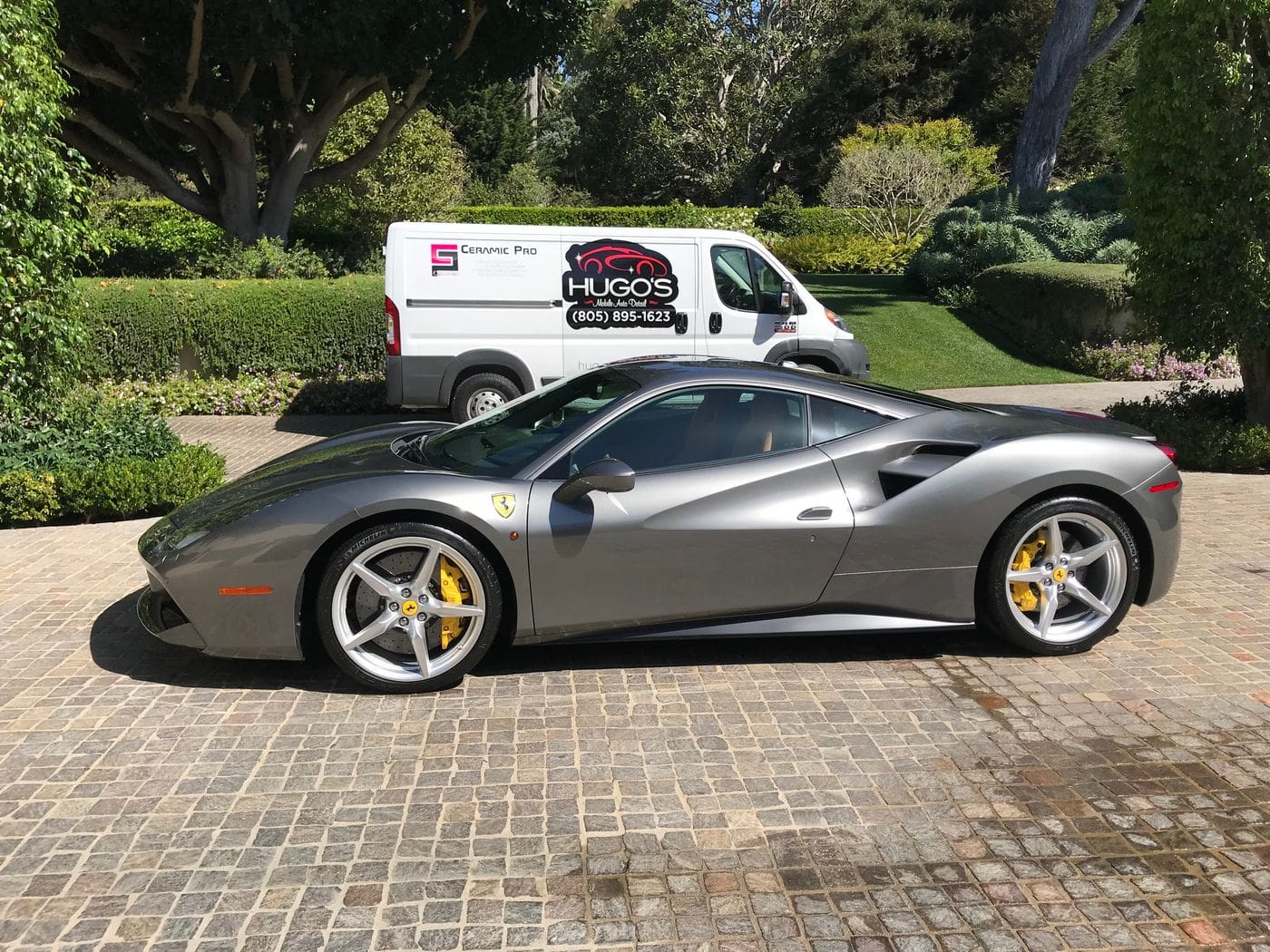
The day after correction and coating, the coupe looked incredible, but that is the easy part. The real proof came three weeks later after several foggy mornings and a run to the Rincon lot. The owner texted a photo in morning light. Beads sat tight, rounded, and uniform. The panels dried with a short, gentle drive. Under sunlight, the metallic popped like it did in the bay. Spot checks showed the roof holding up, a relief given its thin spots. A quick maintenance wash restored a just-corrected look in under an hour.
Paint correction, done right, feels anticlimactic after the fact. Nothing dramatic happens afterward, and that is the point. The car ages more slowly. Washes go faster. You skip the cycle of aggressive fixes every season. A smart approach at the beginning protects you from the most expensive corrections later.
For owners balancing cars and boats
Many in this area divide attention between a vehicle and something that floats. Boat detailing service schedules teach discipline. If you already plan quarterly touch-ups on a skiff or sailboat, fold your car’s maintenance into the same calendar. The exterior and Marine detailing mindsets align. Keep surfaces clean, prevent major buildup, and fix small issues before they become big ones. Even the products can coordinate. The same silica-based spray topper that keeps a boat’s tower beading can serve as a quick sealant booster on your car after a rinse.
For interiors, salt moisture rides in on clothing as much as it does on shoes. A dry microfiber in the door pocket to wipe a damp steering wheel or a fogged instrument panel does more than you think. It prevents salt crystals from forming on surfaces that later scratch when you dust them off casually.
When not to correct
There are times when a full correction is not the right answer. If a car’s clear coat has already thinned below the safe range, you step back. A gentle one-step polish that adds gloss without chasing every defect makes more sense, then a robust sealant or coating to lock in what you have. On single-stage paints, especially older reds and blacks, oxidation removal pulls pigment onto the pad quickly and can alarm owners. You must explain what is happening and keep the process conservative. In these cases, even more than usual, preservation over perfection rules the day.
The Summerland coupe did not require that level of restraint, but it came close on two edges. We left tiny remnants of deeper marks and kept clear coat thickness intact. Those choices rarely show in the final gallery photo, yet they extend the car’s long-term health.
Final thoughts from the bay
Paint correction is part science, part craft, and heavily dependent on the setting. The marine environment around Summerland shapes the work in specific ways: more contamination to clear, faster oxidation, and the need for steadfast protection. The coupe that came in with a beach-worn haze left with crisp reflections and a depth that did not exist the day before. The difference was not magic. It was careful assessment, controlled cutting and polishing, and a protection plan grounded in how the car actually lives.
Whether you split weekends between a boat slip and a driveway or simply commute along the 101 with the windows cracked for salt air, the principles stay stable. Clean with care. Correct just enough. Protect like you mean it. When the light hits your hood at low tide and you see the sky looking back without a veil of haze, you know the balance is right.